Panera Bread Menu
Independent guide to Panera menu prices and calories Not affiliated with Panera Bread
Independent guide Not affiliated with Panera Bread
Independent guide to Panera menu prices and calories Not affiliated with Panera Bread
Independent guide Not affiliated with Panera Bread
By Marcus Cole Updated Read from Panera’s own item descriptions
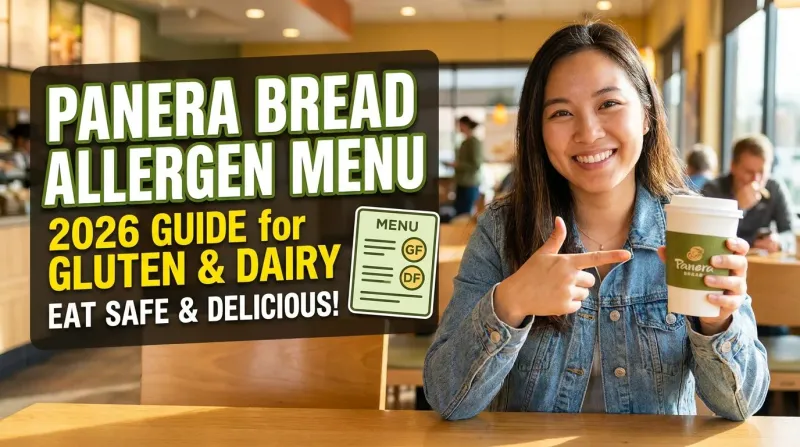
This Panera allergen menu guide sets out what Panera’s own item descriptions name, one item at a time. Read it before you order and confirm at the counter: no Panera bread food allergy menu can account for a shared kitchen, and this one does not pretend to. An open kitchen environment means airborne flour and shared ovens are the norm. Below is the operational safety breakdown of Panera's bakery kitchen to help you order with confidence.
Airborne Gluten Risk: Bakers sift flour daily in the open workspace; high cross-contact risk for celiacs.
Hidden Dairy & Soy: Many bakery items, dressings, and sliced bread loaves contain hidden soy lecithin and whey.
Manager-Led Ordering: You can ask staff to change gloves, use clean utensils, and get ingredients from fresh backup tubs.
Cross-Contact Safety Disclaimer
Panera operates open bakeries with shared equipment. Cross-contact with common allergens including wheat flour is a constant risk. Always speak directly with the cafe manager if you have severe allergies. This 2026 guide serves as an educational resource and does not guarantee an allergen-free experience.
Navigating an open bakery requires a plan. Instead of scrolling through endless lists of ingredients, use our three-step safety protocol to map your meal and prevent allergen cross-contact.
Scan our comprehensive allergen tables below tracking the FDA's top 9 allergens. Compare calories and prices using our Nutrition Calculator.
Drop high-risk components. Exchange default baguette sides for chips or whole apples, request oil-based dressings, and remove cheeses from salads or sandwiches.
Instruct your cashier or add digital order notes requesting staff to change gloves, use clean preparation bowls, and retrieve fresh ingredients from clean backup containers.
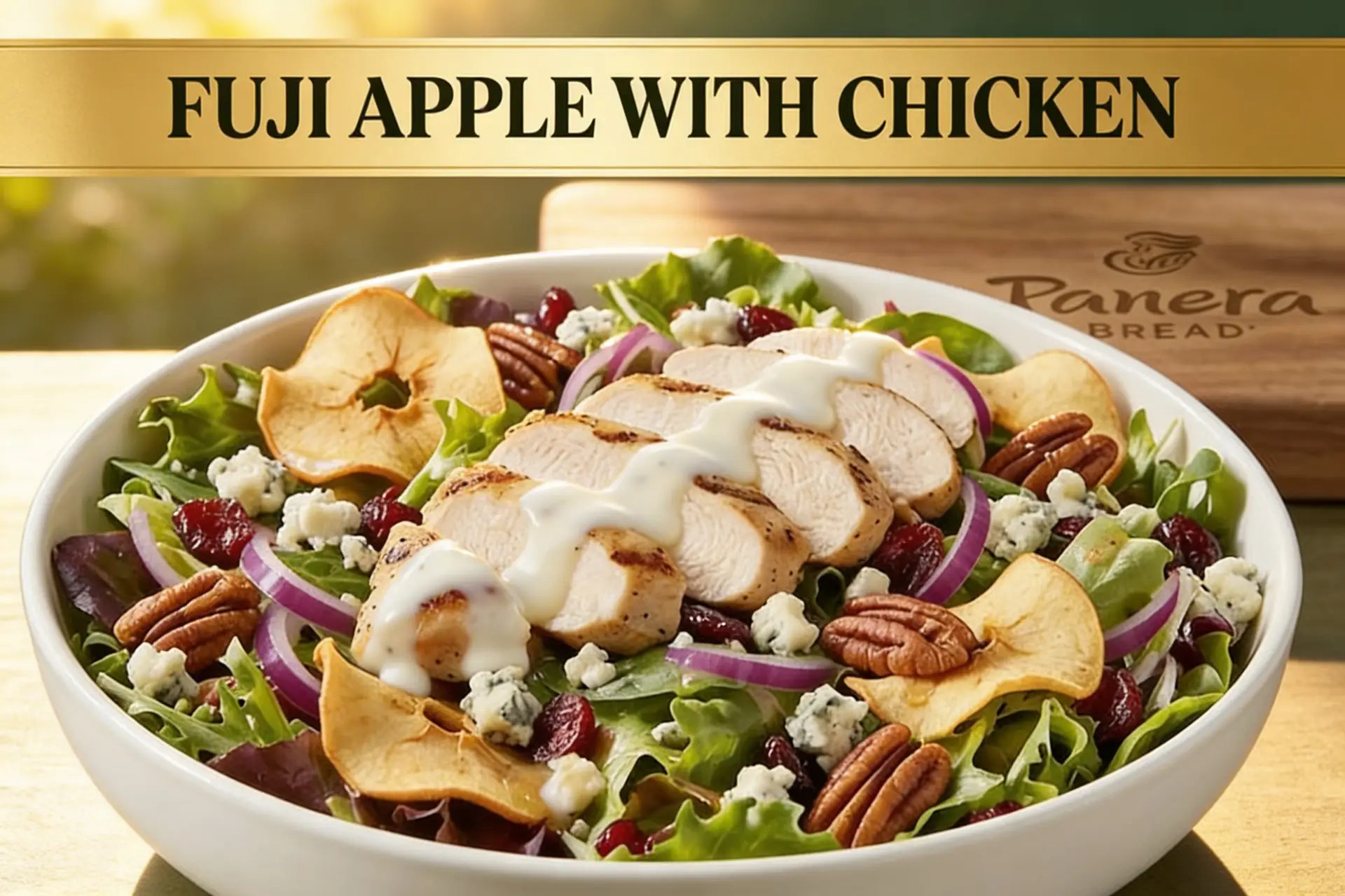
Top picks: Fuji Apple Chicken Salad (skip the baguette) or Vegetarian Autumn Squash Soup. Please note that since Panera bakes fresh bread daily, airborne wheat flour is a constant kitchen risk.
The French Baguette and classic Sourdough loaves are dairy-free. Most salads work perfectly by requesting "no cheese". Always verify creamy salad dressings as they often contain milk.
Allergen Dot indicates the allergen is present in this menu item
Some Panera dishes can be made allergy-safe in seconds, while others have allergens baked directly into their foundations. Use this quick roadmap to make safe decisions at the register.
If the allergen is in the soup base, bread dough, or dressing emulsion, it cannot be modified out.
Nuts, croutons, cheese, and wontons can easily be omitted or swapped at the digital kiosk.
Always state your allergy clearly so the kitchen staff uses fresh utensils and clean surfaces to prep.
Quick adjustments for safe dining
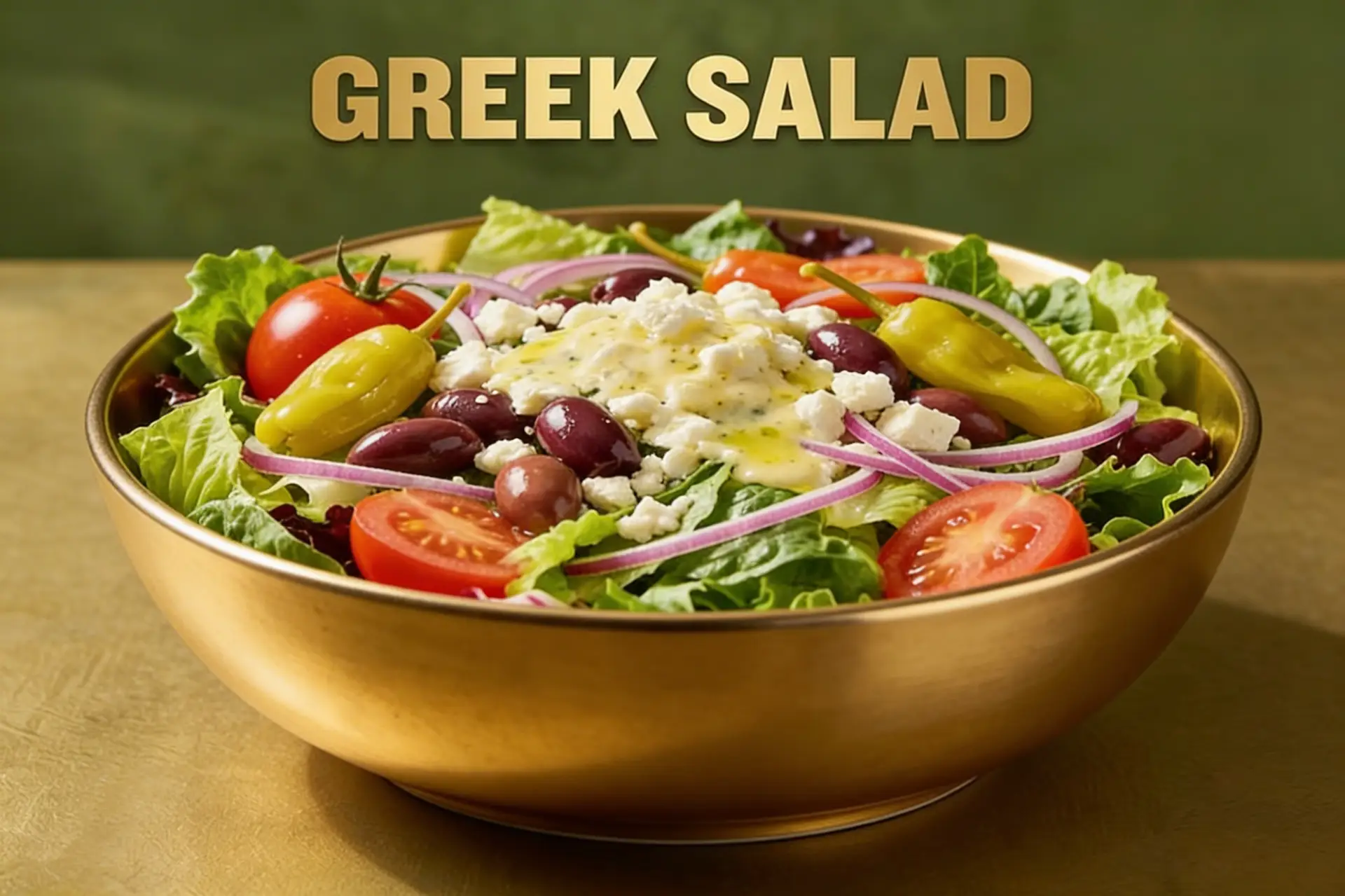
Remove feta cheese and swap the dressing for balsamic or oil & vinegar to make it dairy-free in 10 seconds.
Omit Gorgonzola cheese for a dairy-free dish. Note: Pecans are in the base recipe; avoid if you have a tree nut allergy.
Naturally dairy-free, egg-free, and nut-free. The safest side options for almost all restrictions.
Baked-in ingredients you cannot remove
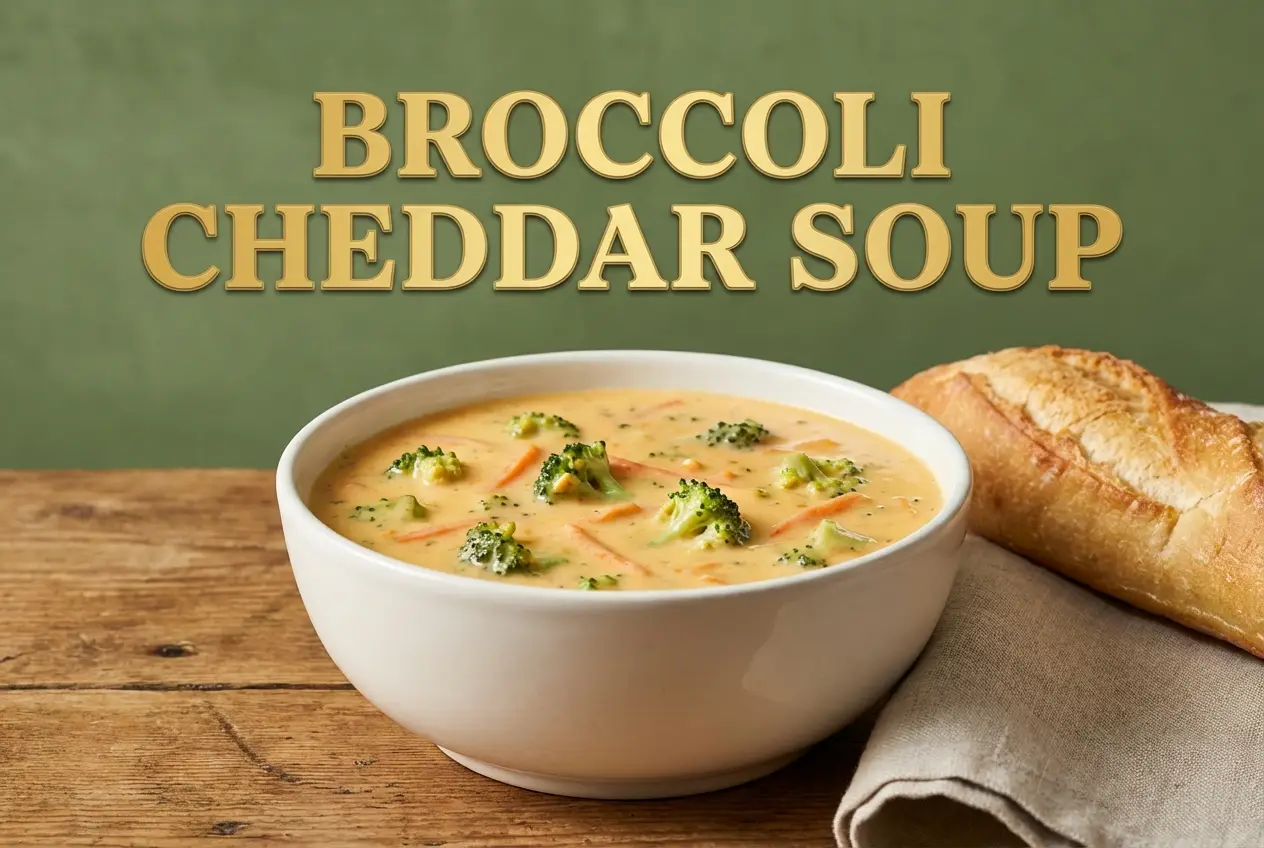
Heavy cream and soy protein are blended directly into the soup broth. Dairy and soy allergies must avoid.
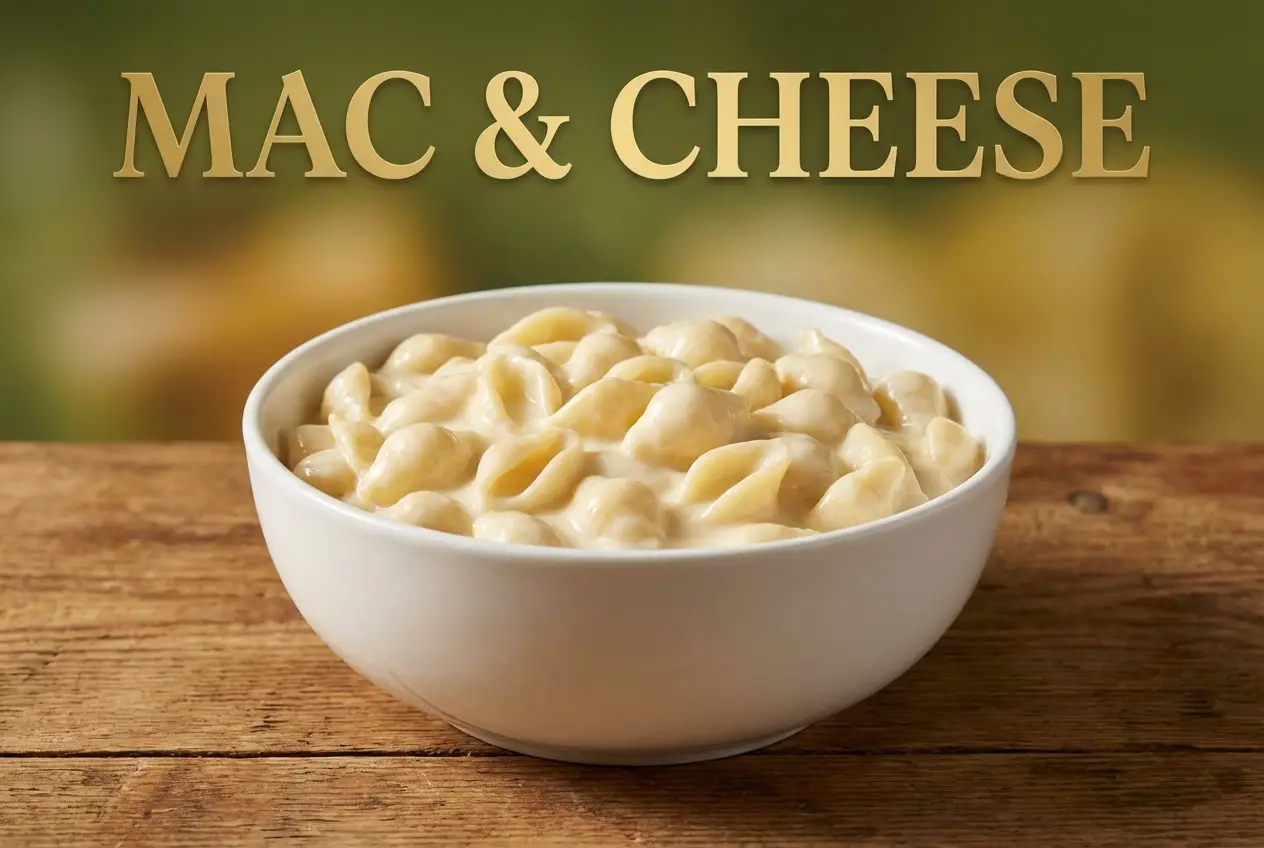
Cheese sauce contains milk and eggs, while the pasta contains wheat. No allergen-free substitutes exist.
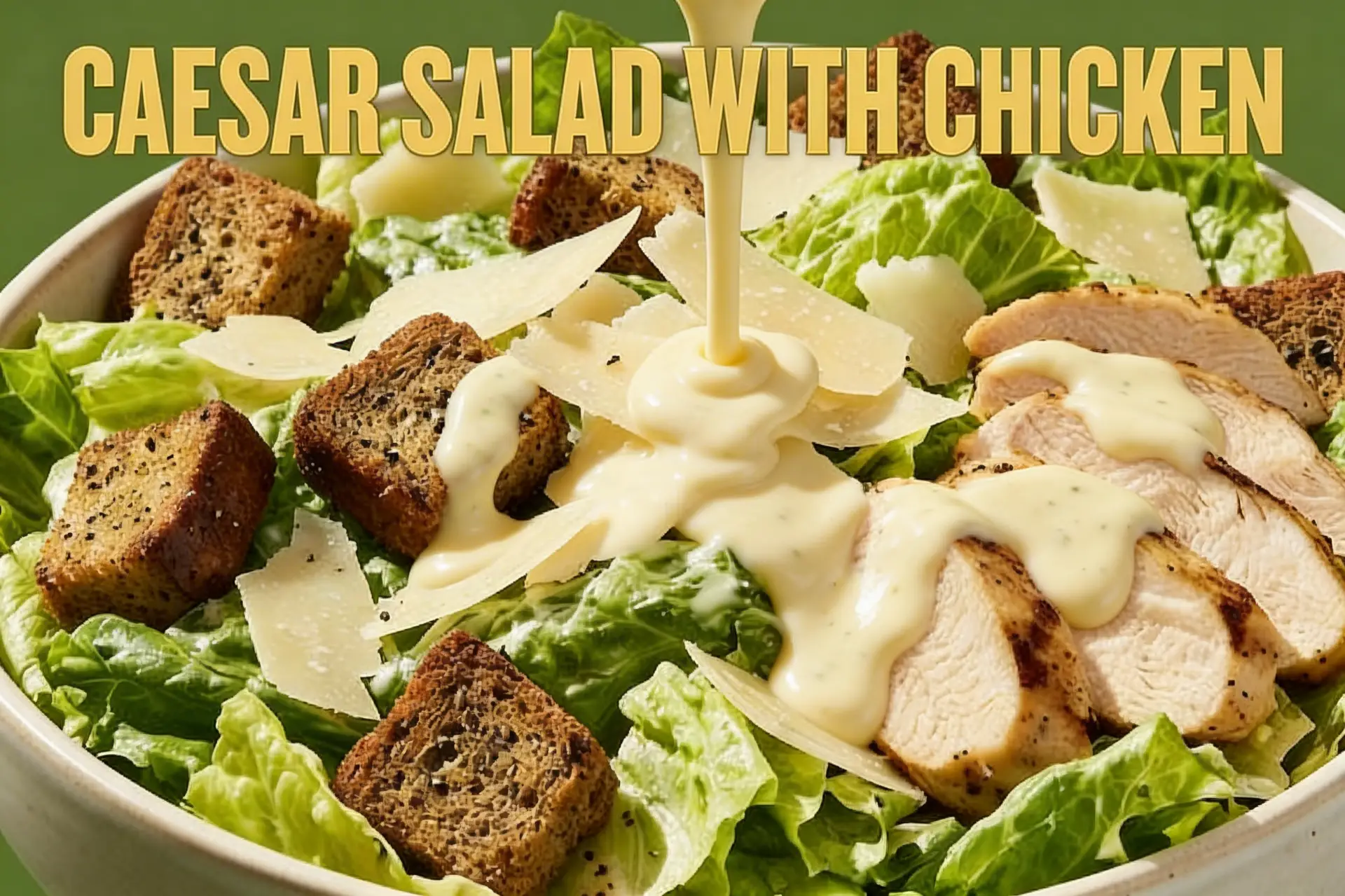
Real anchovies and raw egg yolk are whipped into the Caesar dressing base. High-risk for seafood allergies.
Use our interactive tool to filter the entire menu by calories, protein, and custom allergen filters.
| Menu Item | Milk | Eggs | Fish | Shellfish | Tree Nuts | Peanuts | Wheat | Soy | Sesame |
|---|---|---|---|---|---|---|---|---|---|
 | |||||||||
 | |||||||||
 | |||||||||
 | |||||||||
 | |||||||||
| |
| Menu Item | Milk | Eggs | Fish | Shellfish | Tree Nuts | Peanuts | Wheat | Soy | Sesame |
|---|---|---|---|---|---|---|---|---|---|
 | |||||||||
 | |||||||||
 | |||||||||
 | |||||||||
 | |||||||||
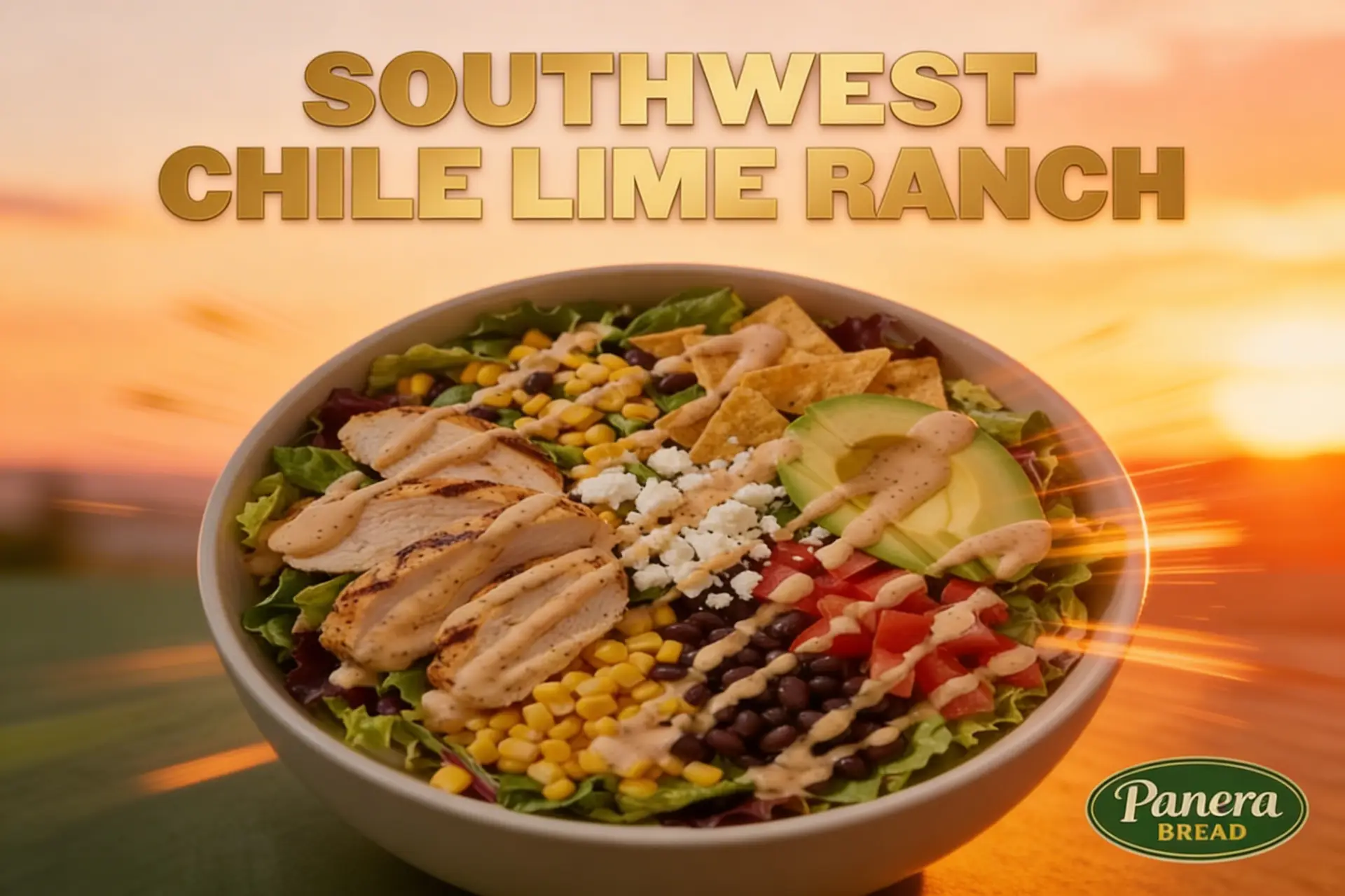 |
| Menu Item | Milk | Eggs | Fish | Shellfish | Tree Nuts | Peanuts | Wheat | Soy | Sesame |
|---|---|---|---|---|---|---|---|---|---|
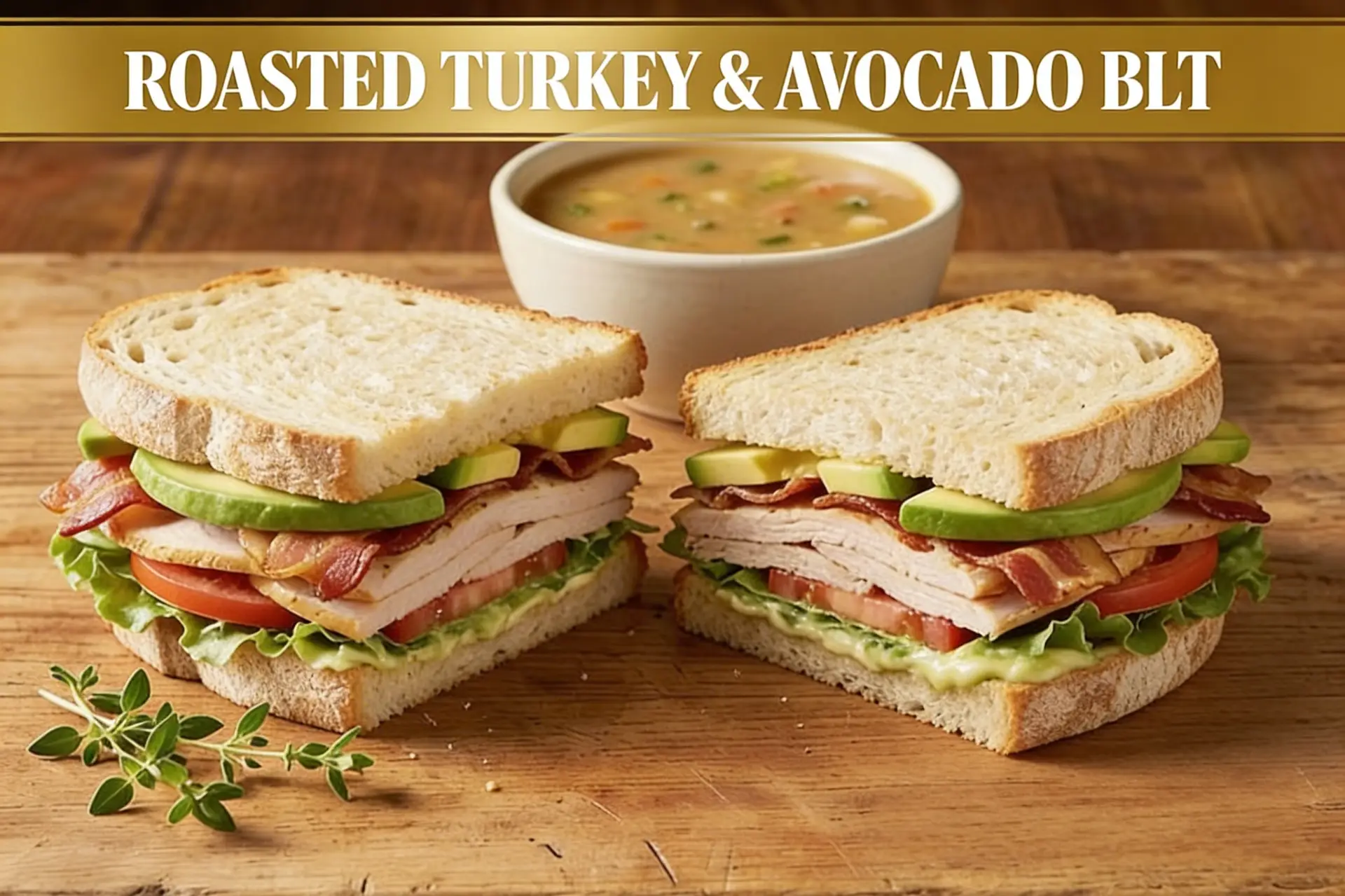 | |||||||||
| | |||||||||
| | |||||||||
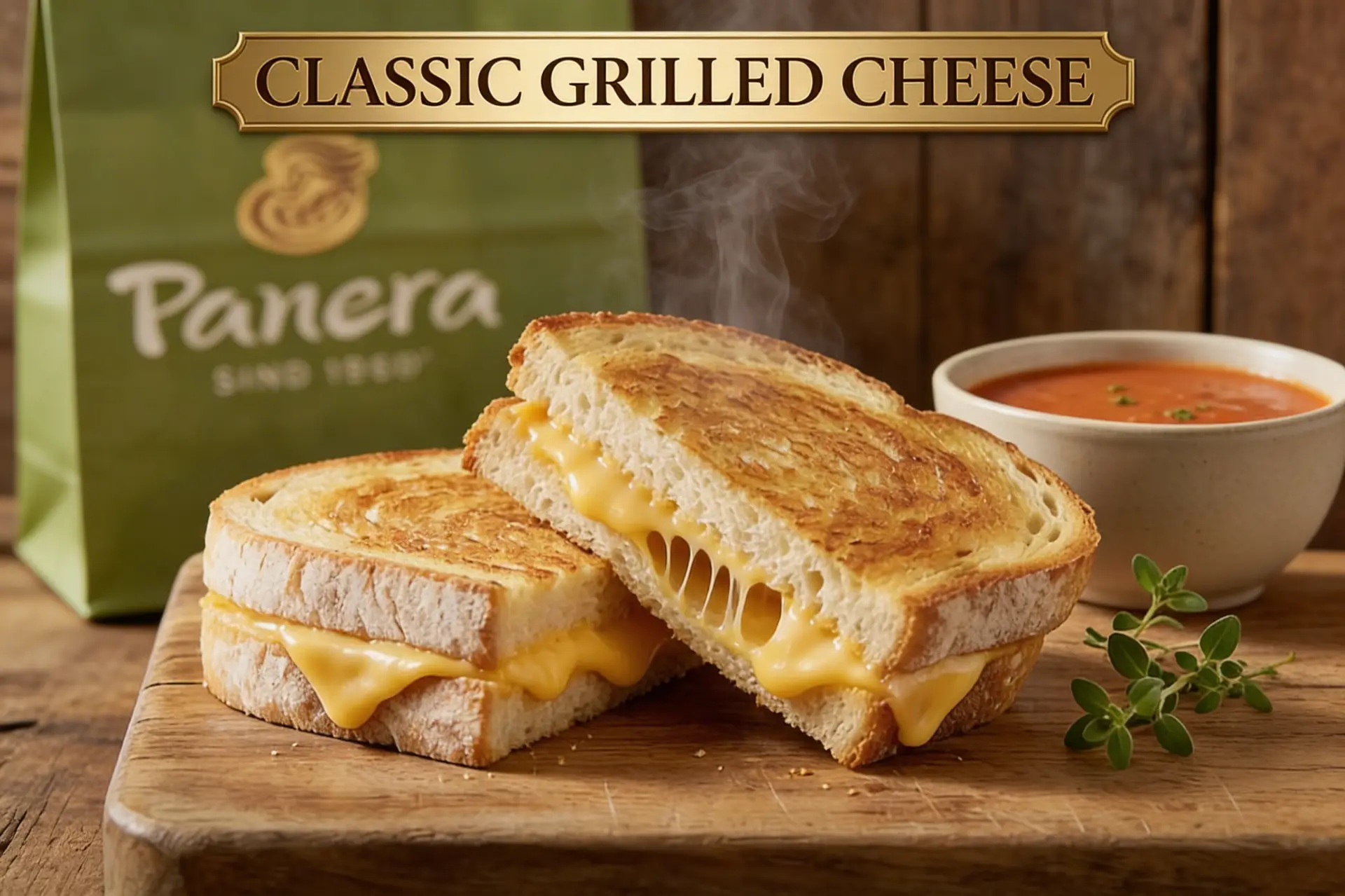 | |||||||||
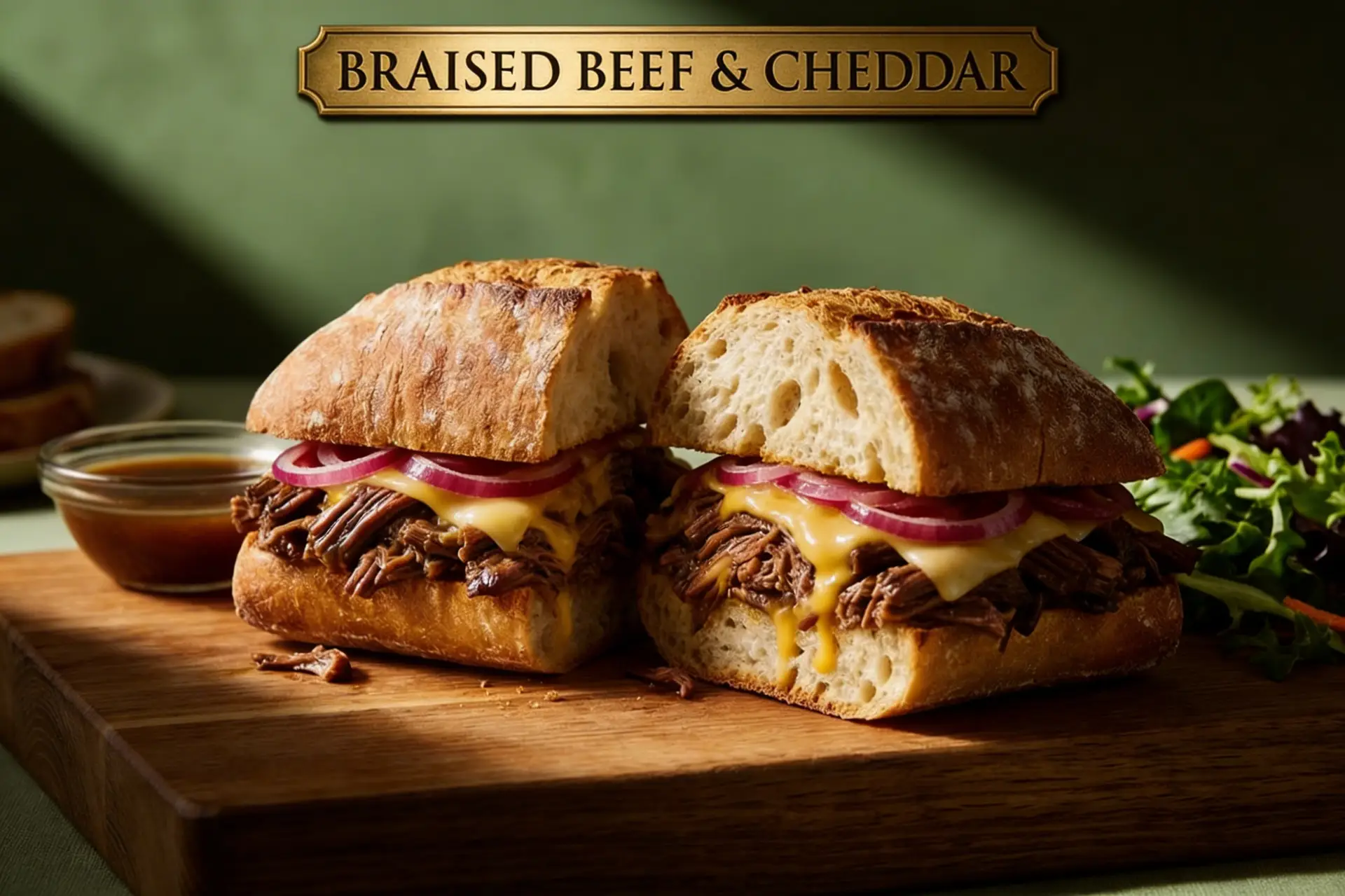 | |||||||||
 |
| Menu Item | Milk | Eggs | Fish | Shellfish | Tree Nuts | Peanuts | Wheat | Soy | Sesame |
|---|---|---|---|---|---|---|---|---|---|
 | |||||||||
| | |||||||||
 | |||||||||
 | |||||||||
| |
| Menu Item | Milk | Eggs | Fish | Shellfish | Tree Nuts | Peanuts | Wheat | Soy | Sesame |
|---|---|---|---|---|---|---|---|---|---|
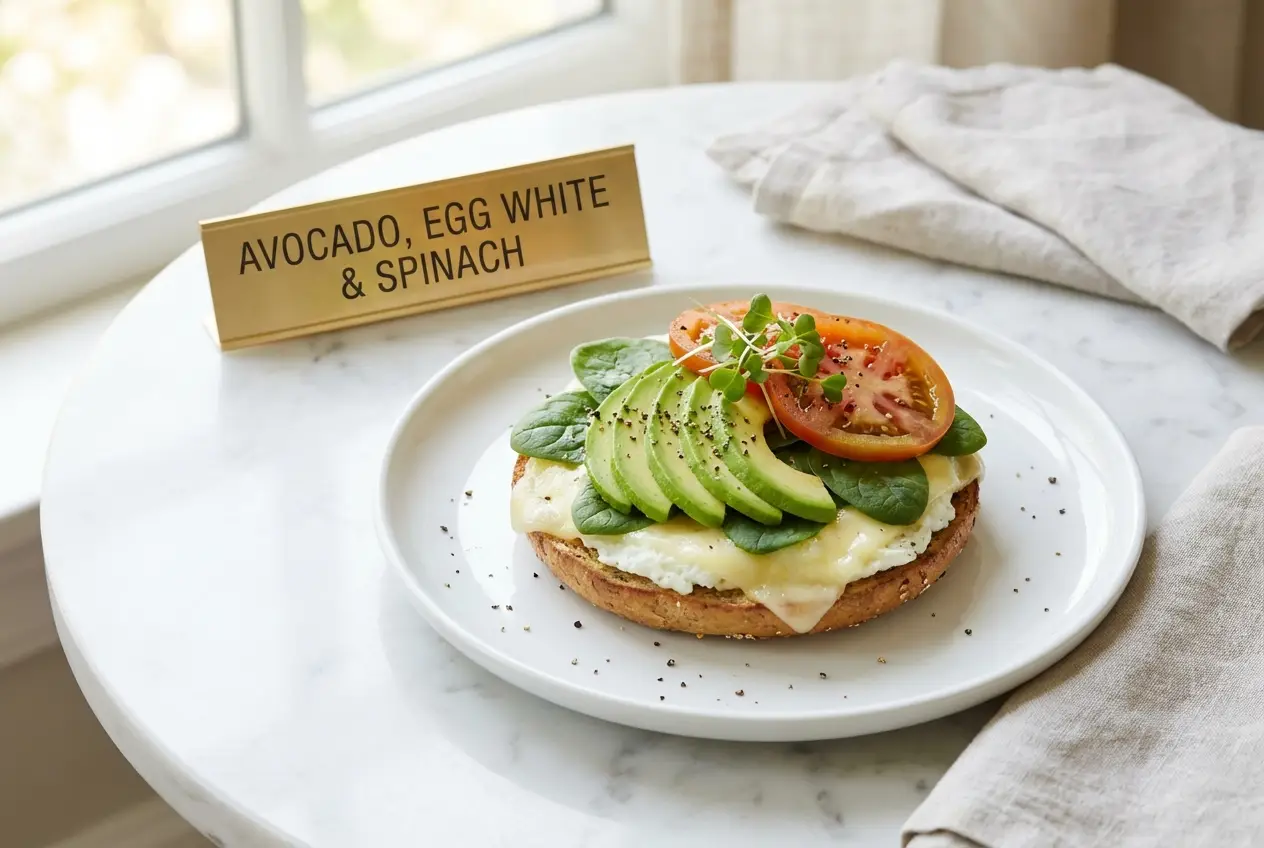 | |||||||||
 | |||||||||
 | |||||||||
 | |||||||||
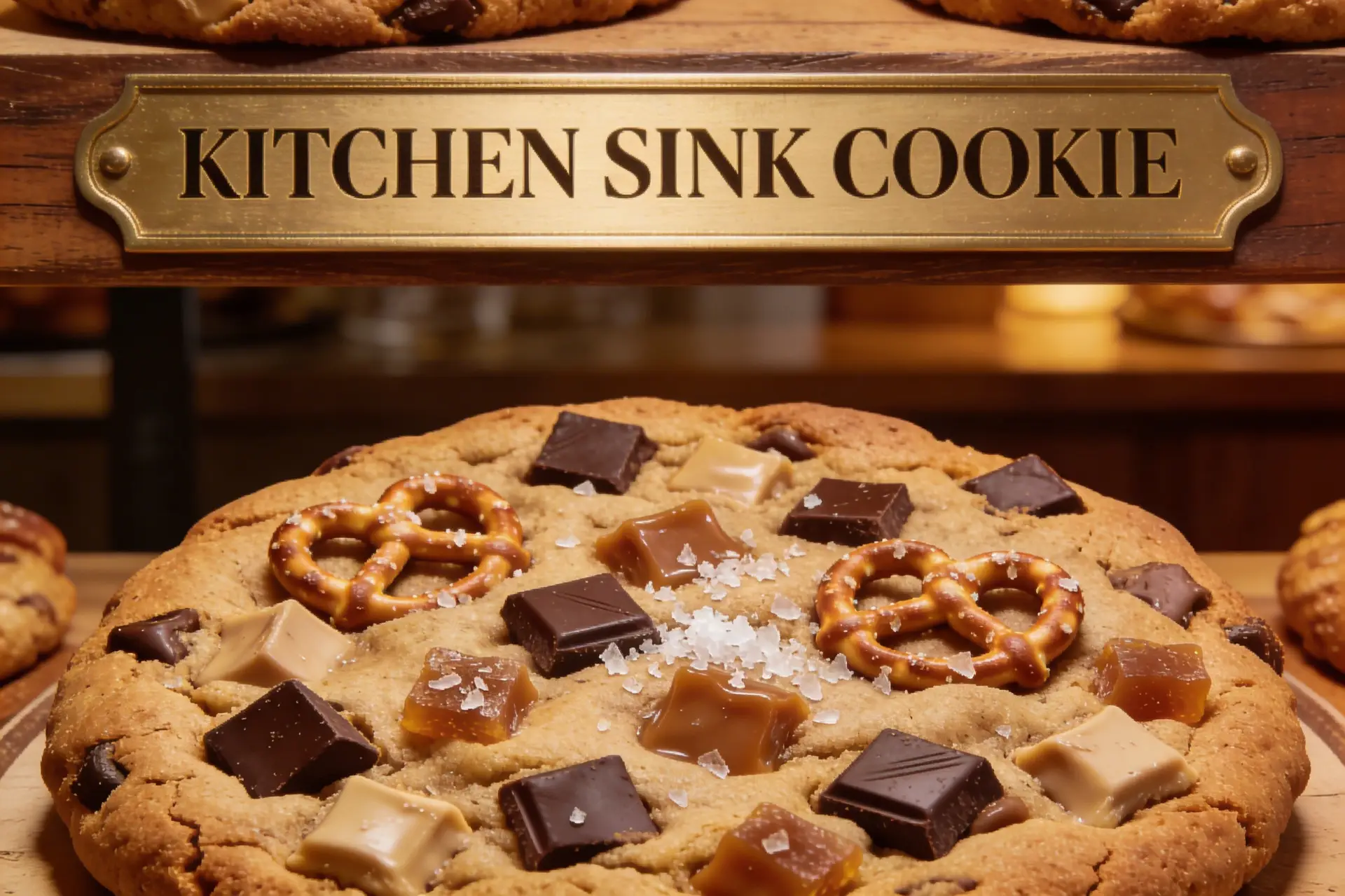 | |||||||||
| |
| Menu Item | Milk | Eggs | Fish | Shellfish | Tree Nuts | Peanuts | Wheat | Soy | Sesame |
|---|---|---|---|---|---|---|---|---|---|
| | |||||||||
| | |||||||||
| |
| Menu Item | Milk | Eggs | Fish | Shellfish | Tree Nuts | Peanuts | Wheat | Soy | Sesame |
|---|---|---|---|---|---|---|---|---|---|
| | |||||||||
| | |||||||||
| | |||||||||
 |
| Menu Item | Milk | Eggs | Fish | Shellfish | Tree Nuts | Peanuts | Wheat | Soy | Sesame |
|---|---|---|---|---|---|---|---|---|---|
| | |||||||||
| | |||||||||
| | |||||||||
| |
| Menu Item | Milk | Eggs | Fish | Shellfish | Tree Nuts | Peanuts | Wheat | Soy | Sesame |
|---|---|---|---|---|---|---|---|---|---|
| | |||||||||
| | |||||||||
| | |||||||||
 |
| Menu Item | Milk | Eggs | Fish | Shellfish | Tree Nuts | Peanuts | Wheat | Soy | Sesame |
|---|---|---|---|---|---|---|---|---|---|
 | |||||||||
 | |||||||||
 | |||||||||
 | |||||||||
 |
Knowing what's in your sandwiches or salads is only half the battle. During peak hours, shared cutting boards and gloves increase cross-contact risks. Follow this proven protocol to stay safe.
Simply ask: 'I have a food allergy. Could you please put on fresh gloves?' It's the most effective way to prevent transfer.
Bread knives collect sesame and wheat all day. Always request a completely clean knife from the back for your meal.
A quieter time of day gives staff more room to change gloves, fetch a clean knife and listen to what you need.
Digital kiosk notes can be missed. Always confirm your allergy verbally with the staff member handing you your order.
Panera prepares food in shared kitchens where cross-contact is possible, and when a cafe is busy, shared equipment is in constant use. If you have a severe allergy, check Panera's own allergen information before ordering, and choose a quieter time when it is easier to explain your needs.
Avoiding gluten? You still have great options. Here is a quick 2026 cheat sheet for what to order and what to strictly avoid.
Order without bread/croutons
Order without croutons
Order without croutons
Plain or with berries
Naturally gluten-free
Safe side option
Panera kitchens share equipment. Even gluten-conscious items carry a risk of cross-contact. If you have Celiac disease, always speak to a manager before ordering.
Avoiding milk and cheese? Panera has more dairy-free options than you might think. Here are your safe bets for 2026.
Navigating tree nuts and peanuts at Panera? Here is your 2026 breakdown of what is high-risk and what is generally safe by recipe.
Order without nut clusters/pecans
Usually nut-free by default
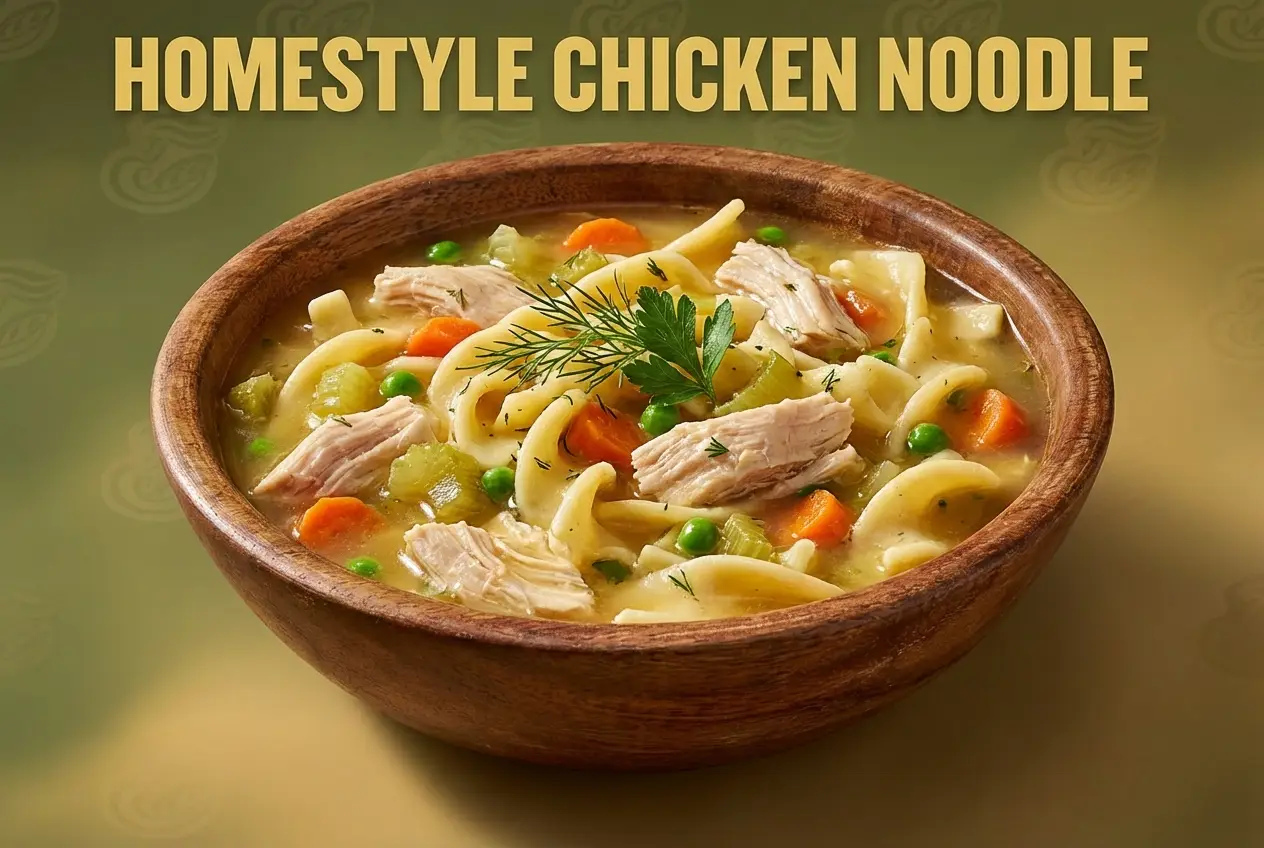
Broccoli Cheddar, Tomato, Chicken Noodle
Baguette, Sourdough, Ciabatta
Panera's bakery environment handles tree nuts and peanuts daily. Cross-contact on shared equipment (like tongs and prep tables) is a real risk. If you have an anaphylactic nut allergy, it is critical to speak to a manager before ordering.
You have the 2026 allergen data. You know the exact safety protocols. Now go enjoy your soups, salads, and artisan breads without the guesswork.
Marcus Cole
AuthorFounder, panerabreadmenus.us • Updated
Marcus has kept a snapshot of Panera’s menu since 2023, after finding that most guides online quoted figures years out of date. On this page the ingredient notes come from Panera’s own item descriptions rather than from us, and the wellness tags are Panera’s own. Neither is an allergen declaration: Panera bakes bread in the same kitchens, and nothing here can clear an item for a severe allergy. Read more on our about page.
Quick answers to the most common allergen and dietary questions at Panera Bread.
While Panera takes precautions, their open bakeries process peanuts and tree nuts daily. Cross-contact is a constant risk. If you have a severe allergy, it is highly recommended to speak directly with a manager before placing your order.
The Autumn Squash Soup and Creamy Tomato Soup are generally prepared without wheat ingredients. However, because recipes can change and cross-contact can occur, always confirm with cafe staff that no flour-based thickeners were added.
Yes. While there isn't a dedicated dairy-free menu, you can easily customize orders. The French Baguette and Country Rustic Sourdough are dairy-free. You can also modify most salads by requesting no cheese and choosing a vinaigrette instead of a creamy dressing.
Sesame is prevalent in Panera bagels. Because bagels are stored in shared bins, cross-contact is a known risk for sesame allergies. It is best to ask staff to pull a fresh item from the back stock if you have a severe sesame allergy.
Currently, Panera does not offer certified gluten-free bread for sandwiches. If you are avoiding gluten, your safest options are customized salads (without croutons) or warm grain bowls, rather than modified sandwiches.
The safest method is to inform the cashier of your allergy immediately. You can politely request a fresh glove change and a clean knife for your food preparation. Avoiding peak lunch hours can also reduce the risk of cross-contact in a busy kitchen.
This guide is compiled from Panera's published allergen information and is not a substitute for it. Recipes and preparation change, and shared kitchens carry a cross-contact risk this site cannot see. If you have an allergy, check Panera's own allergen tool and speak to the cafe before ordering.
More independent guides to Panera Bread prices, menus and ordering.